


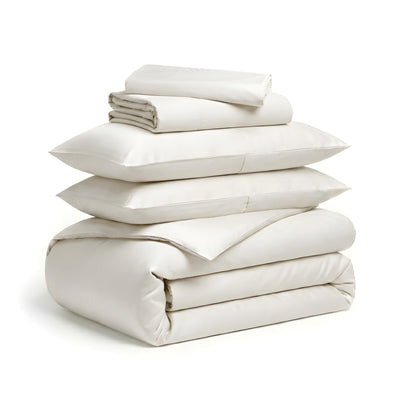
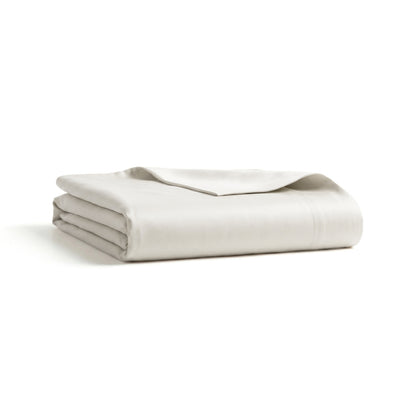
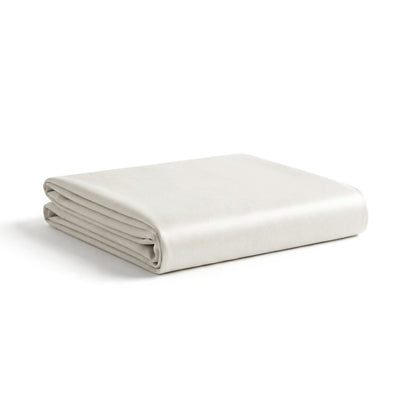
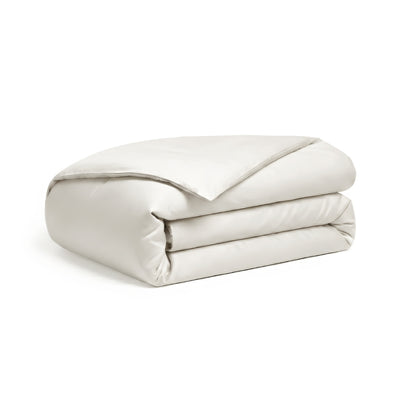

Choosing the right material for your bed sheets makes a bigger difference to your sleep than you might realize. The material affects how warm or cool you sleep, how soft the bed sheets feel, how long they last, and how much maintenance they need. Here's a complete breakdown of every major sheet fabric so you can make the right call.
Key Takeaways
-
Bamboo is the best all-around material for most sleepers. It's soft, breathable, moisture-wicking, and gets softer with every wash.
-
Cotton is the most widely used material. Durable, breathable, and easy to care for, with a wide range of types and price points.
-
Linen is the most breathable sheet material available. Best for hot sleepers and warm climates, but rough when new.
-
Flannel is the warmest sheet material. Best for cold sleepers and winter months.
-
Silk is the most luxurious option. Extremely soft, hypoallergenic, and great for temperature regulation, but expensive and delicate.
-
Microfiber is the most affordable option. Soft and easy to care for, but traps heat and doesn't breathe.
-
Thread count matters less than fiber type and weave. A 300 thread count bamboo sheet outperforms a 600 thread count polyester blend every time.
The Best Types of Bed Sheet Material
1. Bamboo — Best Overall
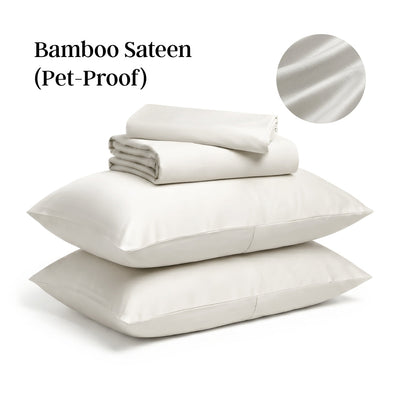
Bamboo is the best material for bed sheets or duvet covers for most people. Bamboo fibers are naturally soft, breathable, and moisture-wicking. They pull sweat away from your body and allow heat to escape, keeping you cooler and drier through the night. Unlike most cotton, bamboo sheets get noticeably softer with every wash rather than wearing down over time.
Bamboo is also naturally hypoallergenic and resistant to bacteria and dust mites, making it a strong choice if you have sensitive skin or allergies. If you're comparing fitted sheets across materials, bamboo fitted sheets consistently outperform others for comfort and longevity.
Best for: Hot sleepers, people who sweat at night, sensitive skin, allergy sufferers.
Ideal thread count: 300 to 500
Pros:
-
Exceptionally soft, gets softer with washing
-
Highly breathable and moisture-wicking
-
Naturally hypoallergenic and antibacterial
-
Durable with proper care
Cons:
-
Higher upfront cost than cotton or microfiber
-
Needs gentle washing and low-heat drying
-
Manufacturing process uses chemicals to convert bamboo into rayon
2. Cotton — Best Classic Option
Cotton is the most widely used sheet material in the world. It's breathable, durable, easy to wash, and comes in a wide range of types and price points. Not all cotton is the same.
Egyptian cotton: Considered the highest-end cotton. Extra-long fibers are handpicked in Egypt, producing exceptionally soft, strong, and breathable sheets. Gets better with age. Ideal thread count: 300 to 400.
White bed sheets in bamboo or Egyptian cotton are the most versatile choice if you want something that works in any bedroom and stays looking clean and fresh longer.
Pima and Supima cotton: Long-staple cotton grown in the US. Similar quality to Egyptian cotton with excellent softness and durability.
Standard cotton: More affordable and widely available. Shorter fibers mean it's less smooth than premium types, but perfectly good for everyday use. Ideal thread count: 200 to 400.
Organic cotton: Grown without pesticides or synthetic fertilizers. Certified by the USDA or similar bodies. Better for sensitive skin and the environment.
Percale weave: A crisp, one-over-one-under weave that's light and breathable. Great for warm sleepers. Gets softer with washing.
Sateen weave: A four-over-one-under weave that produces a silky, slightly shiny finish. Warmer and smoother than percale. Ideal thread count for sateen: 300 to 600.
Best for: Everyday use, people who want reliable breathability at a range of price points.
Pros:
-
Breathable and comfortable year-round
-
Durable with proper care
-
Wide range of options and prices
-
Easy to wash and maintain
Cons:
-
Quality varies significantly by type
-
Standard cotton can feel rough until broken in
-
Wrinkles easily, especially percale
3. Linen — Best for Hot Sleepers
Linen comes from flax plant fibers and is the most breathable sheet material on this list. If you sleep hot or live somewhere warm, linen is the material to look at. It has excellent moisture-wicking properties and allows more airflow than any other sheet fabric.
New linen sheets might feel slightly rough and stiff. That's completely normal. After several washes, linen softens significantly and develops a relaxed, lived-in quality many people love. High-quality linen sheets can last 20 years or more with proper care.
Linen is measured by GSM (grams per square meter) rather than thread count. The ideal GSM for linen sheets is 170 to 190.
Best for: Hot sleepers, warm climates, people who want sheets that last a very long time.
Pros:
-
Most breathable sheet material available
-
Gets softer and better with age
-
Extremely durable, can last decades
-
Natural and hypoallergenic
Cons:
-
Rough and stiff when new
-
Wrinkles easily and heavily
-
More expensive than standard cotton
-
Not ideal for cold sleepers
4. Flannel — Best for Cold Sleepers
Flannel is made by brushing a fabric, usually cotton, to increase its thickness and softness. That brushing process creates a fuzzy surface that traps heat, making flannel the warmest sheet material available.
Flannel is measured in GSM. Look for 170 GSM or higher for a warm, cozy feel. It's typically reasonably priced and easy to care for, making it a practical choice for winter or if you always sleep cold.
Best for: Cold sleepers, winter months, anyone who wants a warm and cosy sleep surface.
Pros:
-
Extremely warm and soft
-
Reasonably priced
-
Easy to care for
Cons:
-
Too warm for hot sleepers or summer use
-
Can pill on the surface over time
-
Not as durable as cotton or linen long-term
5. Silk — Best Luxury Option
Silk comes from silkworm cocoons and is the most luxurious sheet material available. It's hypoallergenic, extremely smooth, and has excellent temperature regulation. The smooth surface is particularly good if you have sensitive skin or fine hair, as it creates less friction than cotton.
Silk is measured in momme rather than thread count. Momme measures the weight and density of the silk weave. Look for sheets in the 17 to 22 momme range for good quality.
Silk sheets are expensive and require careful handling. Wash on a cold delicate cycle and air dry. Even with careful maintenance, silk may wear out faster than cotton or linen.
Best for: People who want the most luxurious feel possible, sensitive skin, temperature-sensitive sleepers.
Pros:
-
Ultra smooth, extremely soft
-
Naturally hypoallergenic
-
Excellent temperature regulation
-
Good for sensitive skin and hair
Cons:
-
Very expensive
-
Delicate and requires careful washing
-
May wear out faster than other materials
6. Microfiber — Best Budget Option
Microfiber is a tightly woven synthetic material made from polyester. It's soft, wrinkle-resistant, and very affordable, which makes it a popular entry-level choice. It's also easy to clean and maintain.
The main downside is breathability. Microfiber traps heat and doesn't wick moisture well, making it uncomfortable if you’re a warm sleeper. It's not a natural material, so it's not suitable for anyone prioritizing organic or hypoallergenic options.
Ideal GSM for microfiber sheets is 90 to 120.
Best for: Guest rooms, children's rooms, cold sleepers on a tight budget.
Pros:
-
Very affordable
-
Soft and wrinkle-resistant
-
Easy to clean and maintain
Cons:
-
Traps heat, poor breathability
-
Not natural or hypoallergenic
-
Less durable long-term than cotton or bamboo
7. Tencel — Best Eco-Friendly Option
Tencel is derived from eucalyptus trees using a closed-loop manufacturing process that recycles most of the water and chemicals used. It's smooth, soft, durable, and naturally resistant to bacteria and dust. Tencel sleeps cool thanks to its excellent moisture-wicking properties.
Ideal thread count for Tencel: 300 to 400.
Best for: Eco-conscious shoppers, hot sleepers, sensitive skin.
Pros:
-
Smooth, soft, and cool to sleep on
-
Excellent moisture-wicking
-
Sustainable manufacturing
-
Resistant to bacteria and shrinking
Cons:
-
More expensive than cotton
-
Limited insulation, not for cold sleepers
-
Fewer options available than cotton or bamboo
Full Comparison Table
|
Material |
Softness |
Breathability |
Warmth |
Durability |
Price |
Best For |
|
Bamboo |
Excellent |
Excellent |
Medium |
Very good |
Medium-high |
Hot sleepers, sensitive skin |
|
Egyptian Cotton |
Very good |
Very good |
Medium |
Excellent |
High |
Luxury, durability |
|
Standard Cotton |
Good |
Good |
Medium |
Good |
Low-medium |
Everyday use |
|
Linen |
Improves with age |
Best |
Low |
Exceptional |
Medium-high |
Hot climates, long-term use |
|
Flannel |
Very good |
Poor |
Excellent |
Medium |
Low-medium |
Cold sleepers, winter |
|
Silk |
Exceptional |
Very good |
Medium |
Low-medium |
Very high |
Luxury, sensitive skin |
|
Microfiber |
Good |
Poor |
Medium-high |
Medium |
Low |
Budget, cold sleepers |
|
Tencel |
Very good |
Excellent |
Low |
Very good |
Medium-high |
Eco-conscious, hot sleepers |
Thread Count Guide by Material
|
Material |
Ideal Thread Count |
|
Standard cotton |
200 to 400 |
|
Egyptian cotton |
300 to 400 |
|
Percale weave |
200 to 400 |
|
Sateen weave |
300 to 600 |
|
Bamboo |
300 to 500 |
|
Tencel |
300 to 400 |
|
Linen |
80 to 140 (or measured in GSM) |
|
Silk |
Measured in momme (17 to 22) |
|
Microfiber |
Measured in GSM (90 to 120) |
How to Choose the Right Material for You
If you sleep hot or sweat at night: Bamboo or linen. Both are highly breathable and moisture-wicking. Bamboo is softer. Linen is cooler and lasts longer.
If you want the softest sheets possible: Bamboo in a sateen weave. Egyptian cotton sateen is a close second.
If you sleep cold: Flannel for winter, or a heavier sateen cotton for year-round warmth.
If you have sensitive skin or allergies: Bamboo, silk, or Tencel. All are naturally hypoallergenic. Organic cotton is also a good choice.
If you want sheets that last: Linen or Egyptian cotton. Both improve with age and can last many years with proper care.
If budget is the main concern: Standard cotton or microfiber. Cotton is the better choice for breathability. Microfiber if you just need something affordable and easy to care for.
If sustainability matters to you: Tencel or organic cotton. Both have significantly lower environmental impact than conventional cotton or synthetic materials.
Caring for Your Sheets
No matter what material you choose, washing your bed linen correctly makes a real difference to how long it lasts and how good it feels.
-
Bamboo: Wash cold or warm, gentle cycle, air dry or tumble dry low. No bleach or fabric softener.
-
Cotton: Wash warm, regular cycle. Tumble dry medium. Can handle higher temperatures.
-
Linen: Wash cool or warm, gentle cycle. Line dry or tumble dry low. Wrinkles are part of the look.
-
Flannel: Wash warm, gentle cycle. Tumble dry low. Avoid high heat which causes pilling.
-
Silk: Cold delicate cycle only. Air dry. Never tumble dry or wring.
-
Microfiber: Wash cool or warm. Tumble dry low. Avoid high heat which degrades the fibers.
-
Tencel: Wash cool, gentle cycle. Tumble dry low. Avoid fabric softener.
Frequently Asked Questions
Is bamboo or cotton better for bed sheets?
Bamboo is softer and more breathable. Egyptian cotton is the best cotton alternative for durability and a traditional feel.
What thread count is best for sheets?
200 to 400 for cotton or bamboo. Above 600 is usually a marketing trick.
Are bamboo sheets good for hot sleepers?
Yes. Bamboo is highly breathable and moisture-wicking, keeping you cooler and drier through the night.
How long do bamboo sheets last?
5 to 7 years or longer with proper care. They get softer with every wash.
Are linen sheets worth the price?
Yes, if you sleep hot. Linen is the most breathable material available and can last decades.
What's the warmest sheet material?
Flannel. Designed to trap heat, it's the best choice for cold sleepers and winter months.
What is momme in silk sheets?
It measures the weight and density of the silk weave. Look for 17 to 22 momme for good quality.


