
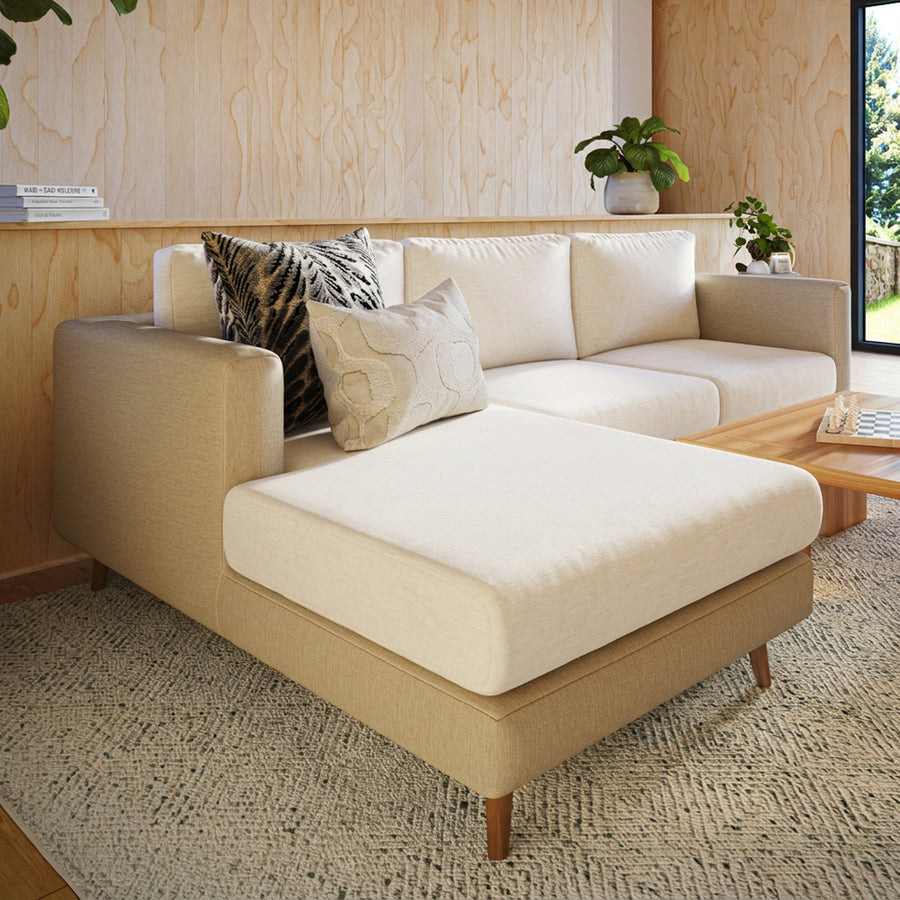
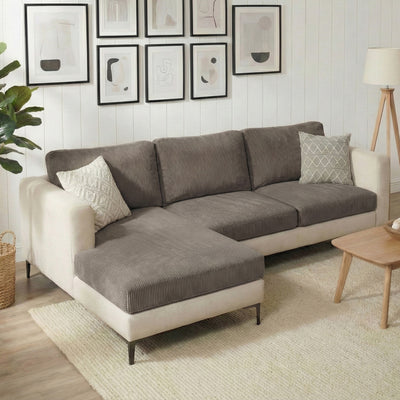
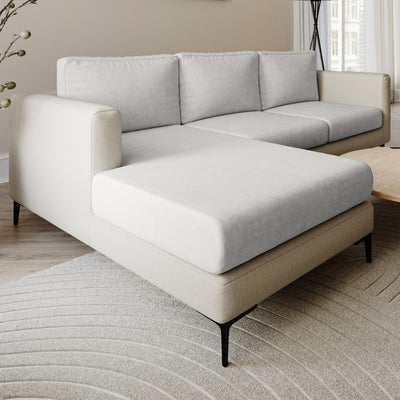
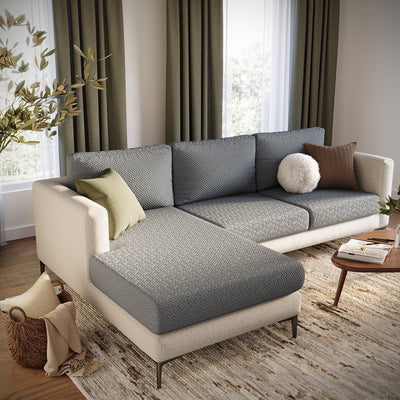
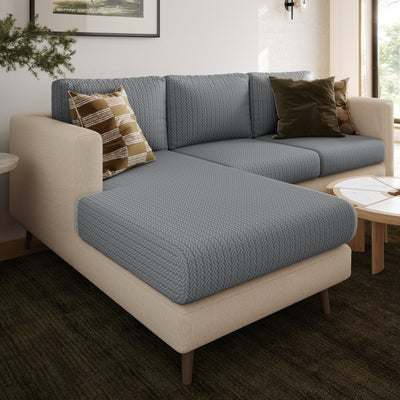
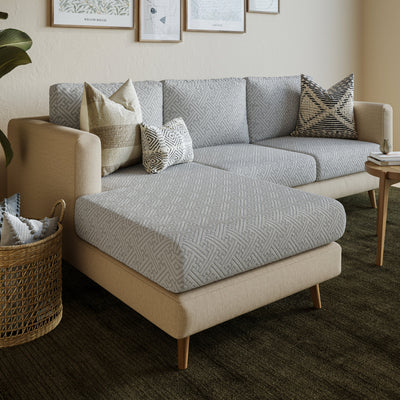
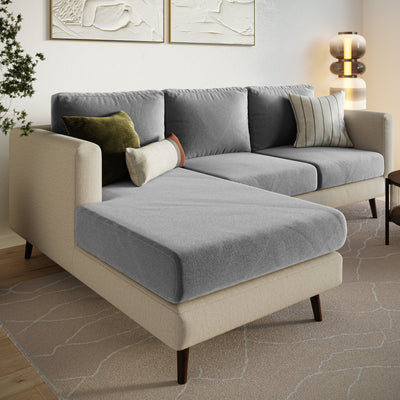



Choosing the right sofa cover sounds simple until you're staring at dozens of options and not sure where to start. The wrong one will bunch up, slide around, and look nothing like the product photo. The right one fits cleanly, stays in place, and makes your couch look like new. If you're looking for a couch cover that actually works, here's exactly what to look for before you buy.
Key Takeaways
- Measuring your sofa correctly is the most important step before buying anything.
- Fit, fabric, and slip resistance are the three factors that matter most.
- Different households need different covers. Pets, kids, and leather sofas all have specific requirements.
- One-piece covers are quicker to fit. Multi-piece covers tend to look cleaner.
- Always check whether the cover is machine washable before buying.
- The right cover depends on your sofa size, shape, arm style, and how you use it daily.
Step 1: Measure Your Sofa Before Anything Else
This is where most people go wrong. They buy based on looks and then find out the cover doesn't fit.
Before you look at anything else, measure your sofa. You need the width across the back, the depth from front to back, and the height from floor to top. Also note your arm style. Sofa arms come in rolled, T-cushion, high arm, and low arm styles, and not every cover works with every arm type.
Most covers are sized for standard three-seat sofas, but you'll also find loveseat covers for two-seat sofas and covers for oversized or sectional configurations. Always cross-reference your measurements with the size guide before ordering.
Step 2: Decide Between One-Piece and Multi-Piece Covers
This is one of the first decisions you'll need to make, and it affects both how the cover looks and how easy it is to use.
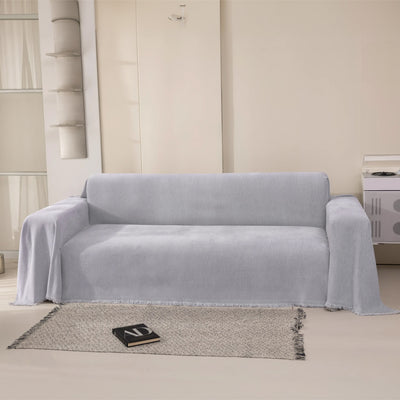
One-piece covers slip over the entire sofa in a single piece. They're faster to put on and take off, which makes them convenient for regular washing. The tradeoff is that it’s harder to get a clean, fitted look on sofas with just one piece.
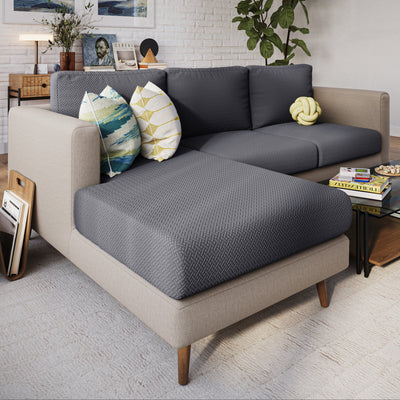
Multi-piece covers have individual pieces for the seat cushions, back, and arms. They take longer to fit but tend to look significantly cleaner and stay in place better. If appearance matters to you, multi-piece covers usually win. Understanding the practical differences between one and multi-piece covers before you buy will save you from making the wrong choice.
Step 3: Choose the Right Fabric for How You Use Your Sofa
Not all cover fabrics are equal, and the right one depends entirely on your household.
For Everyday Use
If your sofa gets moderate use with no specific concerns, a medium-weight stretch fabric like a polyester-spandex blend, is a good all-round choice. It conforms to most sofa shapes, looks clean, and holds up well with regular washing.
For Pet Owners
Pet hair, claws, and accidents require a cover built for the job. Look for tighter weaves that resist snagging, fabrics that repel pet hair rather than trapping it, and materials that wash easily without holding odors. A cover designed as a sofa cover for pets will handle all of these better than a standard cover.
For Leather Sofas
Leather sofas present a specific challenge. The surface is slippery, the arm styles are often different, and a standard fabric cover won't grip or fit the same way. Couch covers for leather are designed with these differences in mind and are worth using if you want a cover that actually stays put on a leather sofa.
For High Traffic Areas
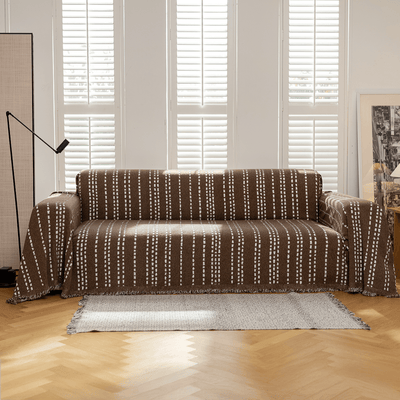
If your sofa is in a busy household with kids or multiple people using it daily, prioritize durability and washability over everything else. Heavier fabrics like thick jacquard or quilted polyester hold up better over time and tend to look less worn after repeated washing.
Step 4: Make Sure It Won't Slide Around
Sliding is the most common complaint about sofa covers. A cover that won't stay in place is frustrating to use and looks messy within minutes of sitting down.
There are a few ways to address this. Some covers come with non-slip backing built in. Others use straps, foam rollers, or tucking systems to stay secure. If you know your sofa has a particularly slippery surface or you move around a lot when sitting, look specifically for non slip couch covers rather than hoping a standard cover will stay put.
Tucking excess fabric into the gaps between cushions also helps. Most covers come with instructions for this. Taking a few extra minutes to tuck properly makes a significant difference in how the cover holds throughout the day.
Step 5: Check That It's Machine Washable
This sounds obvious but it's easy to overlook when you're focused on fit and appearance.
A sofa cover you can't machine wash is significantly less practical than one you can. The whole point of a cover is to take the abuse your sofa would otherwise absorb, which means it needs to be cleaned regularly. If washing it is complicated or expensive, you'll stop doing it and the cover stops doing its job.
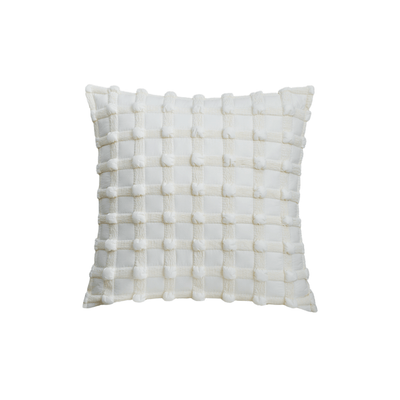
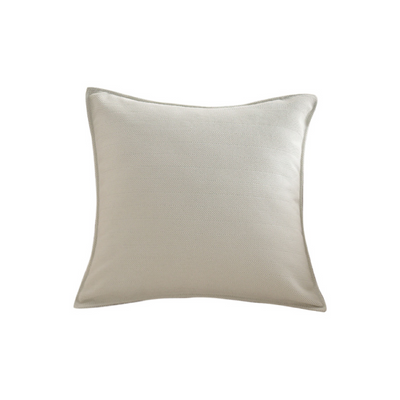
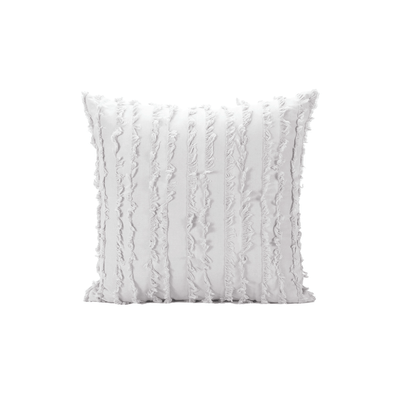
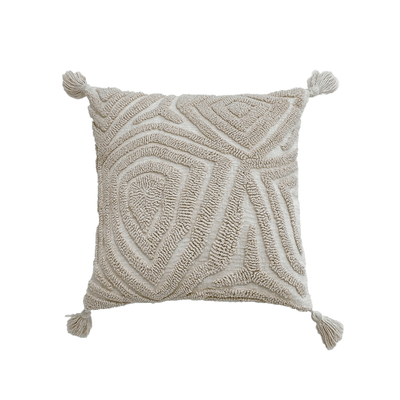
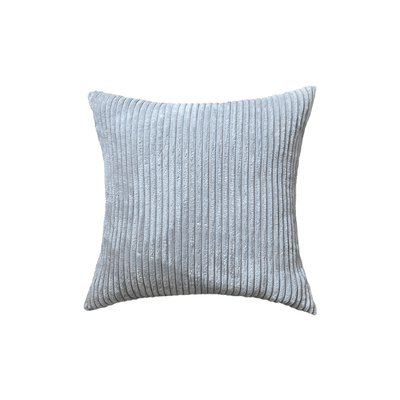
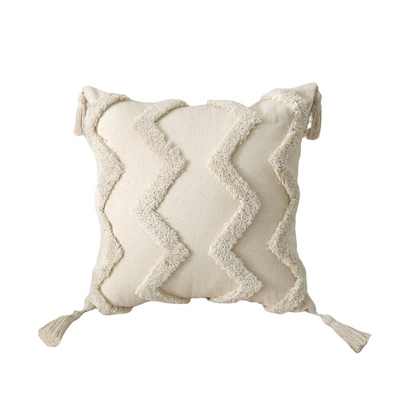
Check the care label before buying. Most quality covers are machine washable on a cold or gentle cycle. If you're also covering your cushions, pairing your sofa cover with washable throw pillow covers means you can keep your entire seating area clean in one wash.
Step 6: Pick a Color and Style That Works With Your Room
Once you've sorted fit, fabric, slip resistance, and washability, then think about color.
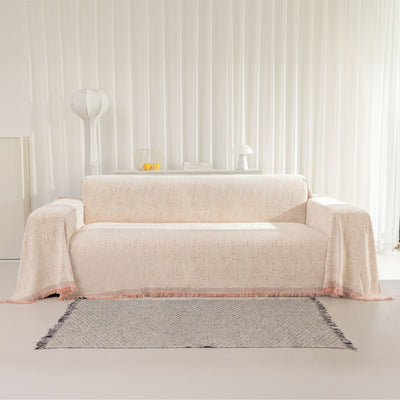
A few things worth considering. Darker colors hide stains better but show pet hair more. Lighter colors can brighten a room but show marks faster. Neutral tones like grey, beige, and cream work with most existing decor and are easier to live with long term than a bold color you might tire of.
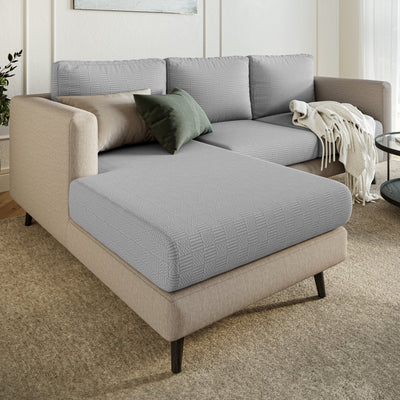
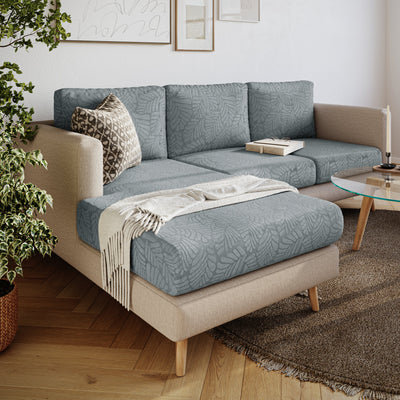
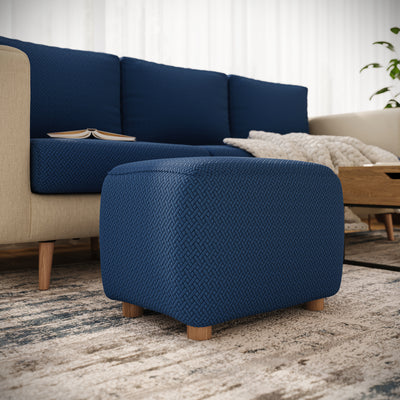
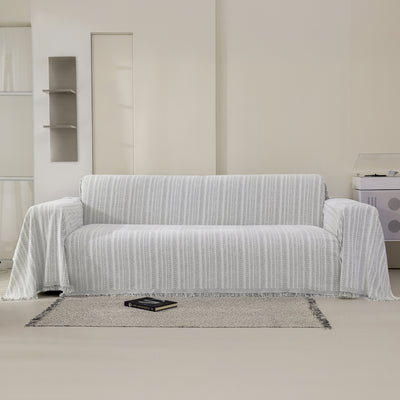
Textured fabrics like waffle knit or jacquard tend to look more like intentional upholstery than flat stretch fabrics. If you want the cover to look as close to an actual sofa as possible, texture helps.
Common Mistakes to Avoid When Choosing a Sofa Cover
- Buying without measuring. Even covers labelled "universal fit" have size limits.
- Choosing based on the product photo alone. Check reviews and look for real photos from customers.
- Ignoring the arm style. Not all covers work with all arm types.
- Skipping the slip resistance check on leather or smooth fabric sofas.
- Buying a cover that can't be machine washed.
Frequently Asked Questions: How to Choose the Right Sofa Cover
How do I know what size sofa cover to buy?
Measure your sofa width, depth, and height before buying. Check the size guide for the specific cover you're considering and match your measurements to the recommended range. When in doubt, size up rather than down.
What is the best fabric for a sofa cover?
It depends on your household. Stretch fabrics fit most sofa shapes well. Tighter weaves work better for pet owners. Heavier fabrics hold up better in high-traffic homes. There's no single best fabric, only the right one for your situation.
How do I stop my sofa cover from sliding?
Use a cover with non-slip backing or built-in straps. Tuck excess fabric into the cushion gaps. For leather sofas, use foam rollers or grip strips underneath the cover to add friction.
Can one sofa cover fit different sofa sizes?
Some covers are designed with stretch fabric that accommodates a range of sizes, but there are limits. Always check the size specifications before buying rather than assuming a cover will stretch to fit.
How often should I wash my sofa cover?
Every two to four weeks for most households. More frequently if you have pets or young children. Regular washing prevents buildup of pet hair, dust, and odors and keeps the cover looking fresh.
Do sofa covers work on sectionals?
Standard sofa covers are not designed for sectionals. Look for covers specifically made for sectional configurations, or use multiple covers to cover each section separately.


