
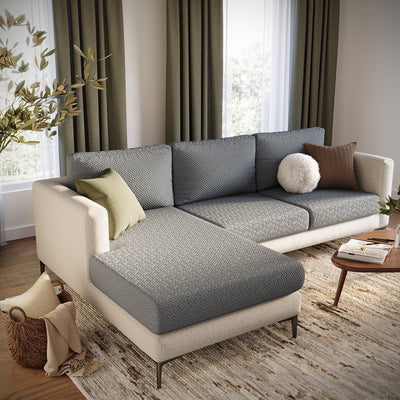
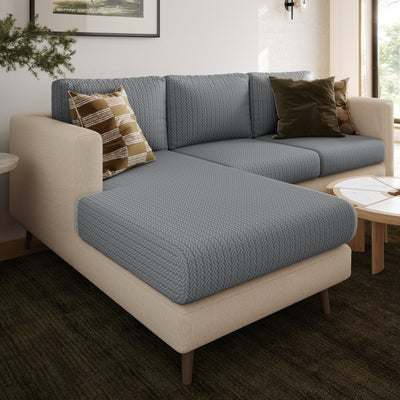
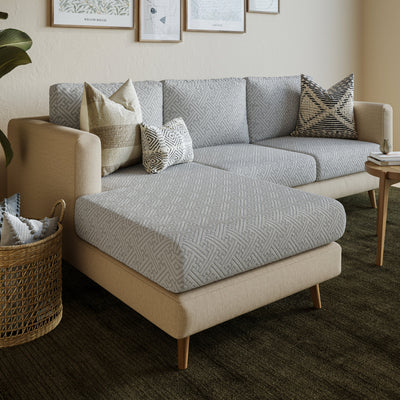
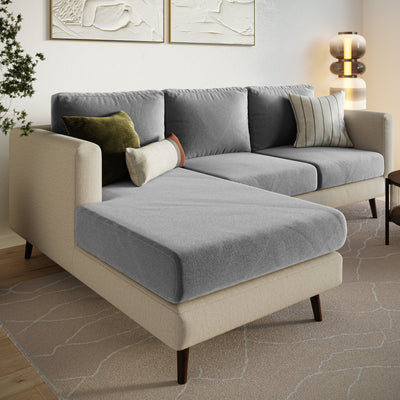



The most common causes of couch damage are almost always preventable, yet most couch covers only get bought after the damage has already happened. Couches wear out faster than they should, and knowing what's working against yours lets you stop it before it becomes a bigger problem. Here's a breakdown of every major cause and exactly what to do about each one.
Key Takeaways
- Pet scratching is the leading cause of upholstery damage in most households. Prevention works far better than repair.
- Spills that reach the foam cushion cause mold and structural breakdown, not just surface stains.
- Sitting in the same spot every day compresses foam unevenly and causes permanent sagging over time.
- Direct sunlight fades fabric and weakens fibers at the same time. Moving or covering the sofa is the simplest fix.
- Small snags from keys, buckles, and toys spread faster than you expect. One pulled thread puts stress on everything around it.
- Most couch damage is preventable with consistent habits and the right protection in place from the start.
1. Pet Scratching and Clawing
Cat and dog claws tear upholstery fibers with every scratch, especially on leather couches. On fabric, repeated clawing pulls threads loose and spreads into larger snags over time.
How to prevent it:
- Trim your pet's nails every 3 to 4 weeks
- Use deterrent sprays on the specific spots they target
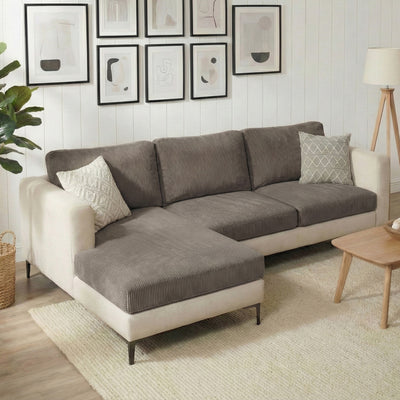
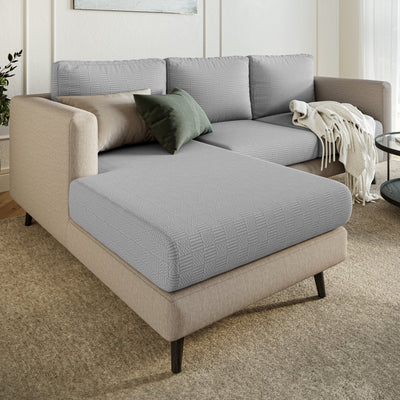
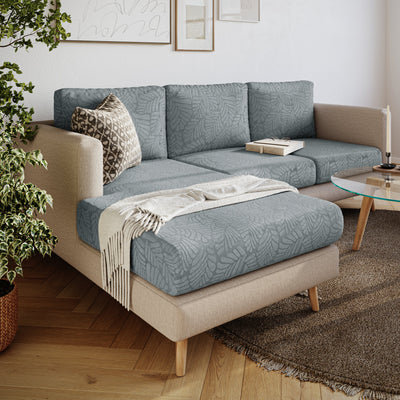
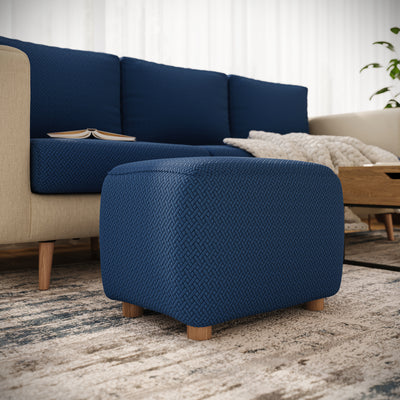
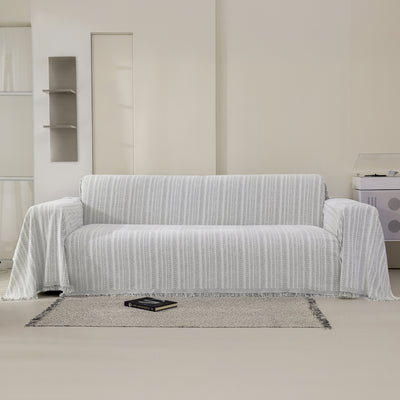
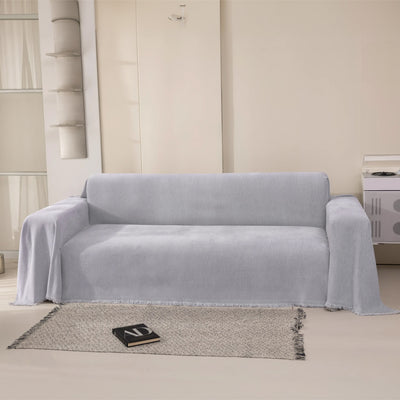
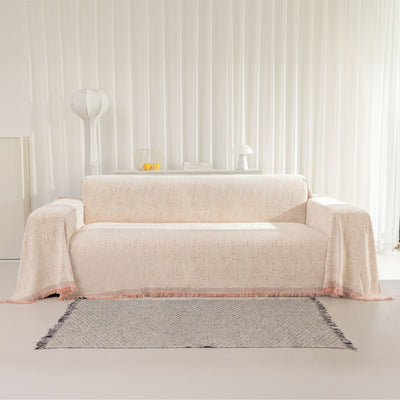
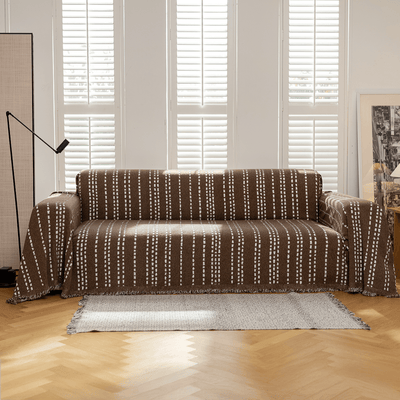
- Fit a sofa cover for pets over the whole sofa as a washable barrier between claws and upholstery
- Choose microfiber over velvet or linen if you're buying new, its tighter weave resists snags better
2. Spills and Moisture Damage
A spill that soaks through fabric reaches cushion foam within minutes, breaking down its cell structure and creating conditions for mold and mildew. On the surface, you see a stain, but you likely don’t consider the structural breakdown of the cushion foam.
How to prevent it:
- Blot spills immediately with a clean white cloth, never rub
- Check your fabric care code before cleaning: W means water-safe, S means solvent only, WS means either, X means vacuum only
- Dry the area completely before replacing cushions
- Use a machine-washable cover to stop spills reaching the upholstery in the first place
How to treat the most common spills:
- Red wine: Blot immediately, then apply a small amount of cold water and blot again. Sprinkle salt to absorb remaining liquid. Never use hot water, it sets the stain.
- Coffee: Blot, then dab with a mixture of cold water and a small amount of dish soap on W-coded fabric. Rinse with cold water and blot dry.
- Pet urine: Blot as much as possible, then apply an enzyme-based cleaner. This breaks down the bacteria at the source rather than just masking the odor. Plain cleaners won't remove the smell permanently.
- Grease and oil: Skip liquid cleaners entirely. Apply baking soda or cornstarch, let it sit for 15 minutes to absorb the oil, then brush away gently. Liquid applied over grease spreads it wider.
- Ink: Dab with rubbing alcohol on a cotton ball for S or WS-coded fabric. Work from the outside in. Don't rub. Ink spreads fast.
- Vomit: Remove solids first, then blot. Apply a mixture of cold water and white vinegar on W-coded fabric. An enzyme cleaner works better for odor removal.
- Mud: Let it dry completely first. Scrape off the dried residue, then vacuum. Treating wet mud spreads it deeper into the fibers.
3. Sitting in the Same Spot
Foam cells compress under your weight repeatedly without recovery time, causing one area to collapse while the rest of the cushion stays firm. Once foam loses its ability to recover, the sagging is permanent. Follow the steps below and it'll help you make a couch last longer.
How to prevent it:
- Sit in different spots on the couch
- Rotate and flip cushions every 1 to 3 months
- In high-use households, every 4 to 6 weeks is better
- Manual fluffing between rotations helps redistribute fill in cushions that still have life left
4. Direct Sunlight and UV Exposure
UV light fades your fabric and weakens the fibers underneath at the same time. Even through glass, direct afternoon sun can fade a sofa 2 to 3 shades in six months.
How to prevent it:
- Move your sofa out of direct sun lines or rotate its position seasonally
- Fit sheer curtains to block UV rays while keeping the room bright
- Use UV-filtering window film for rooms with large south-facing windows
- Keep your sofa at least 30cm from radiators and heating vents, which dry out leather and natural fibers separately from sun damage
5. Sharp Objects and Snags
Keys, belt buckles, zippers, and children's toys pull threads loose. Once a thread goes, adjacent fibers carry extra load and eventually fail under normal use. On leather, punctures are permanent.
How to prevent it:
- Be mindful of what you're wearing and carrying when you sit down
- Ask family members to do the same
- Use couch covers for leather to protect the surface from contact damage
- Check seams and zipper pulls when rotating cushions to catch snags early
6. Foam Cushion Compression
Low-density foam breaks down faster than high-density alternatives. Once the cell structure has gone, no amount of rotation or fluffing will restore it.
How to prevent it:
- Look for high-density foam at 1.8 lbs per cubic foot or above when buying new or replacing
- Rotate cushions regularly to distribute compression evenly
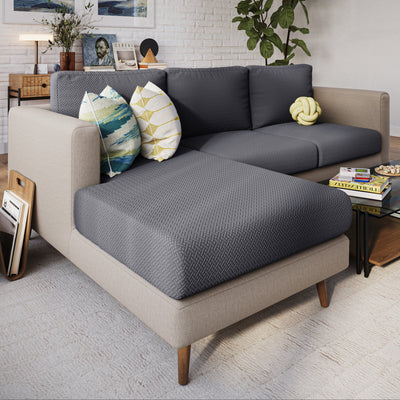
- Use a cushion topper to add firmness and extend the life of cushions that are starting to flatten
- If cushions stay flat even after a night off the sofa, replacement foam at $50 to $150 per cushion is far cheaper than a new sofa
7. Abrasion From Everyday Wear
Denim, textured clothing, and pet fur grind against upholstery fibers with every movement. Velvet and linen couches dispay this wear the fastest. This is one of the main reasons protecting living room furniture starts with a physical barrier rather than cleaning alone.
How to prevent it:
- Vacuum upholstery twice a week to remove abrasive particles before they bind to the weave
- Lint-roll cushions after vacuuming
- Fit a non-slip couch cover to take the friction instead of the fabric underneath
8. Frame Stress
Jumping on cushions, sitting on armrests, or letting kids use the sofa as a trampoline loosens frame joints over time. Once a joint shifts, the stress spreads to every connected part.
How to prevent it:
- Check frame joints and leg attachments every six months
- Tighten loose bolts and re-glue any corner block that has separated
- Listen for creaking when you sit or shift weight, that sound means something needs attention before it gets worse
9. Heat Damage
Sustained heat from radiators and vents dries out leather and weakens fabric fibers over time, causing brittleness and cracking that no amount of conditioning fully reverses. The habits that help you protect a couch from everyday wear apply here too.
How to prevent it:
- Keep your sofa at least 30cm from any direct heat source
- This applies to radiators, heating vents, and fireplaces
- For leather in particular, a breathable cover adds a layer of insulation between the surface and ambient heat
If the Damage Is Already Done
Prevention is always cheaper than repair, but if you're already looking at worn upholstery, sagging cushions, or stained fabric, here's what you can actually fix and what you can't.
-
Scratches and snags: Minor fabric snags can be trimmed with small scissors and won't spread if caught early. Deeper pulls that have already laddered through the weave are harder to reverse. On leather, surface scratches can be buffed out with a leather conditioner. Deep gouges are permanent.
-
Stains: Fresh stains are always easier to treat than set ones. For old stains, try an upholstery cleaner matched to your fabric code. W-coded fabric responds to enzyme-based stain removers for organic stains like pet accidents or food. S-coded fabric needs a dry-cleaning solvent. If a stain has been set by incorrect treatment, a professional cleaner is your best option, though there are no guarantees.
-
Sagging cushions: If foam has permanently compressed, fluffing won't fix it. Options in order of cost: a cushion topper adds firmness without replacing anything, a plywood board under the cushion restores a firmer base, and replacement foam at $50 to $150 per cushion is the most lasting fix.
-
Faded fabric: UV fading is irreversible. You can't restore faded color at home. A fitted cover hides the damage and prevents further fading while you decide whether to reupholster or replace.
-
Frame damage: Loose joints can be re-glued and tightened. Cracked or snapped hardwood needs a professional repair or replacement. Particleboard frames that have swollen or crumbled cannot be meaningfully repaired and are usually a sign it's time to replace.
Frequently Asked Questions
What causes a couch to sag?
Uneven foam compression from sitting in the same spot repeatedly. Rotating cushions every 1 to 3 months prevents it. Once foam cells break down permanently, rotation won't fix it and foam replacement is the only lasting solution.
How do I stop my cat from scratching the sofa?
Trim nails every 3 to 4 weeks, use deterrent sprays on the areas they target, and fit a machine-washable cover over the sofa. One approach alone rarely holds. Layering all three works best.
Can spills permanently damage a couch?
Yes, if they reach the foam. Liquid that soaks into cushion foam causes mold and structural breakdown that surface cleaning can't reverse. Blot immediately, never rub, and dry the area thoroughly before replacing cushions.
Why is my couch fabric pilling?
Pilling is caused by surface abrasion from clothing, pet fur, and everyday friction. Tightly woven performance fabrics resist pilling. Velvet and linen are the most vulnerable. Regular vacuuming removes the particles that accelerate it.
How do I protect leather from scratches?
A breathable cover designed for leather is the most effective barrier. Avoid standard fabric covers that can trap moisture against leather and cause cracking. Trim pet nails regularly and be mindful of sharp objects like keys and buckles near the surface.
How long should a couch last?
A well-made sofa with consistent care lasts 7 to 15 years. High-quality hardwood frames and high-density foam last toward the longer end. Budget frames and low-density foam wear out significantly faster.


