




Most couches show visible wear within two to three years, not because they're low quality, but because everyday use adds up faster than most people expect. If you want to know how to protect a couch from everyday wear, the answer is a combination of the right couch covers, consistent daily habits, and knowing your fabric before you clean it. Here's exactly what works.
Key Takeaways
- A fitted stretch cover is the only method that addresses every form of everyday wear at once: spills, pet hair, claws, body oils, and friction.
- Rotating cushions every 1 to 3 months is the cheapest and most effective way to prevent uneven sagging.
- Fabric protector spray buys you time on spills but won't stop pet claws, UV fading, or foam compression on its own.
- Direct sunlight fades upholstery noticeably within months and weakens fiber strength at the same time.
- Always check your fabric care code before cleaning. Using the wrong method can permanently set a stain.
- Small daily habits compound over years. Households that vacuum weekly and rotate cushions consistently see far less wear after the first two years.
Why Your Couch Wears Out Faster Than You Think
Most couch damage is relatively invisible at first. A creak here, a sagging cushion there. A stain that you never noticed is now months old.
By the time any of it is obvious, the damage is months old.
Different fabrics wear at different rates. Microfiber and linen lose their texture faster than leather or tightly woven synthetics. The spots where people sit most compress faster, flattening cushions unevenly. Direct sunlight fades upholstery within months and degrades fiber strength at the same time.
Understanding the common causes of couch damage helps you know which habits matter most for your specific household before damage becomes visible.
Five Protection Strategies That Actually Work
1. Use a Fitted Couch Cover
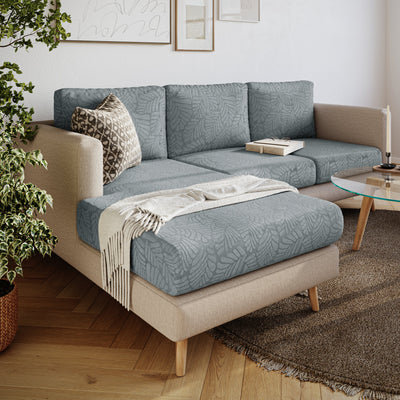
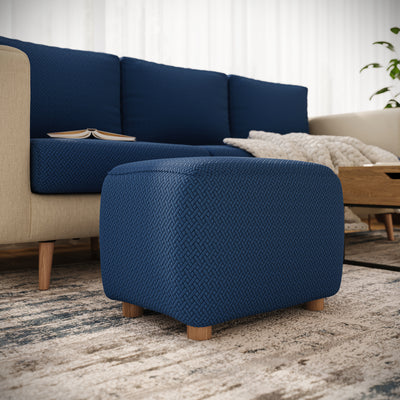
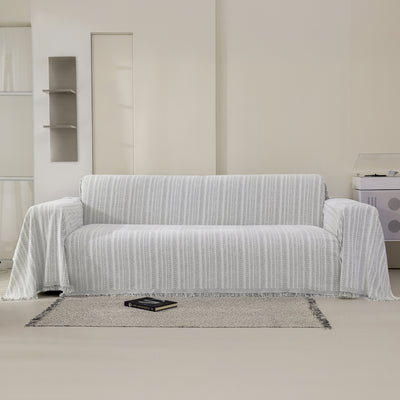
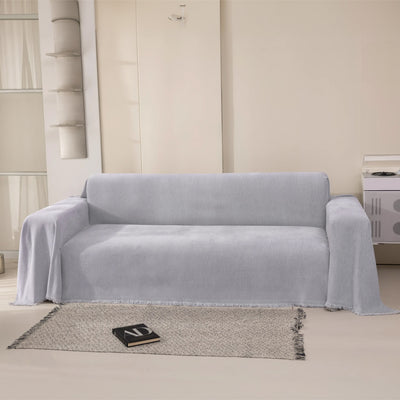
Your sofa takes the most daily punishment of any piece of furniture in your home. A fitted cover gives it a sacrificial layer that absorbs all of it instead.
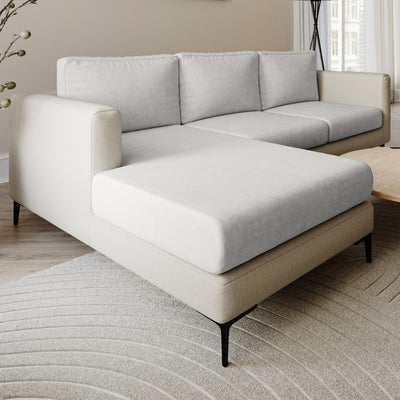
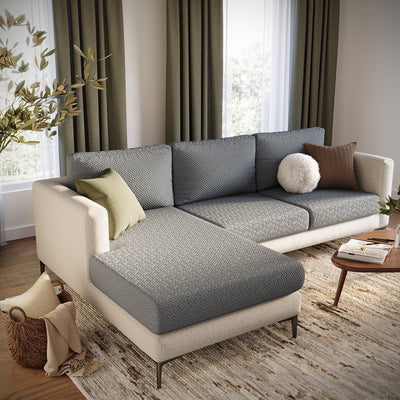
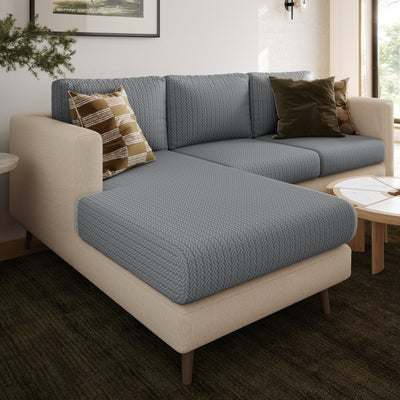
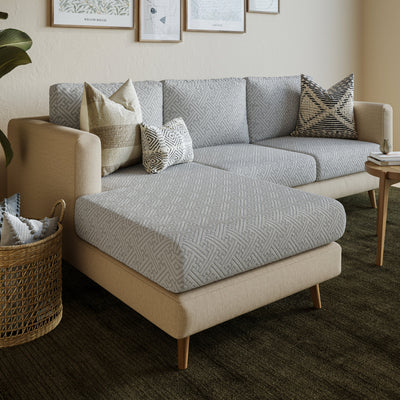
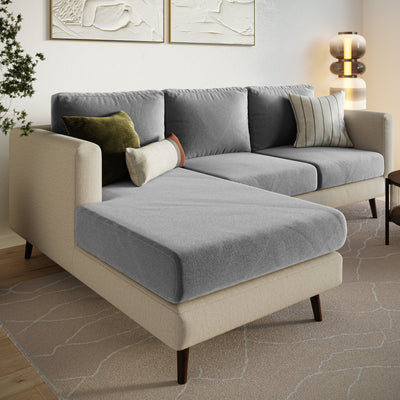
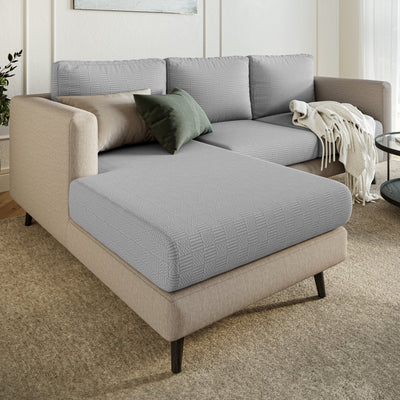
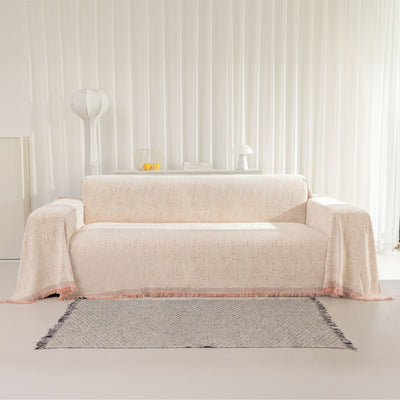
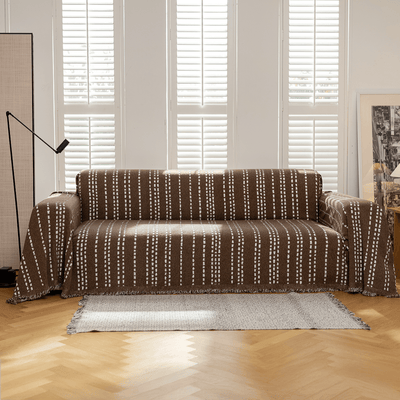
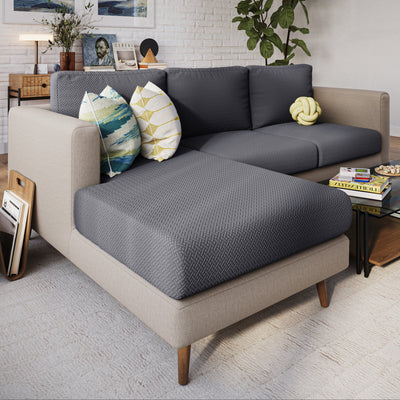
The key word is fitted. A cover that bunches, slips, or exposes the arms every time someone sits down isn't protecting anything. A stretch cover made from jacquard fabric grips the sofa's contours as you move, stays in place without retucking, and goes straight in the washing machine when it needs cleaning.
Imagine a fitted sheet, just for your couch!
Which type you need depends on your household:
- Standard stretch covers handle everyday spills, body oils, and general friction. Good for most homes.
- Non-slip couch covers add underside grips for households where the cover shifts constantly, usually because of kids, pets, or both.
- Sofa covers for pets use a tighter weave specifically designed to resist claw snags and trap pet hair on the surface rather than letting it work into the fabric underneath.
- Couch covers for leather are breathable by design. Regular covers trap moisture against leather and cause cracking. These don't.
Measure before you buy to avoid buying covers that are far too large or small
2. Practice Consistent Habits
You can make a couch last longer with just a few low-effort habits.
- Vacuum upholstery at least twice a week to remove dust, crumbs, and pet hair that grind into fibers and accelerate wear
- Lint-roll cushions after vacuuming to remove what the vacuum leaves behind
Blot any spills immediately, never rub - Wipe pet paws before they jump up. Dirt and skin oils build up gradually and dull fabric over time
- Draw blinds during peak sun hours to slow UV fading without spending anything
3. Rotate Cushions Every 1 to 3 Months
Cushion rotation is the cheapest way to extend cushion life. Every 4 to 6 weeks, swap seat cushions side to side and flip reversible ones over.
This spreads body weight and friction across the full cushion rather than one compression zone. Uneven sagging is one of the most common wear patterns, and it's almost entirely preventable with a monthly ten-minute habit.
If you have pets, regularly have guests over, or generally use your couch a lot, rotate every 4-6 weeks.
4. Apply Fabric Protector Spray
A fabric protector spray like Scotchgard applies an invisible barrier that reduces liquid absorption and buys you more time to blot a spill before it sets. For spill-prone households with young children, it's a practical first line of defense.
But these sprays don't stop pet claws, body oil transfer, or physical abrasion. They don't prevent UV fading. And they wear off.
Reapply every 6 to 12 months on sofas that see daily use, or after any professional cleaning. Check your fabric care code first. X-coded fabrics should not be treated with any liquid spray products.
5. Block Direct Sunlight
Direct sunlight degrades upholstery fiber faster than almost any other household factor. UV radiation breaks down dye bonds and weakens the weave itself, causing visible fading within months on south-facing windows.
UV-blocking window film cuts UV exposure by up to 99% and requires no ongoing maintenance after installation. If that isn't feasible, repositioning the sofa 2 to 3 feet from direct sun lines can significantly reduce long-term fading without spending another dollar.
Which Protection Method Works Best for Your Fabric?
Microfiber
Microfiber is one of the more forgiving fabrics for busy households. It resists stains and handles abrasion reasonably well.
The catch is that high-traffic zones develop a flattened, shiny appearance over time as the fine fibers compress and lose their nap. A fabric protector spray slows liquid absorption, but a fitted cover protects against the physical friction that causes the shine in the first place.
Velvet and Linen
Velvet and linen react badly to water-based treatments. Water spots velvet and causes linen to shrink or pucker. For these fabrics, solvent-based fabric protector sprays labeled for delicate upholstery are the safer choice. A fitted cover provides day-to-day protection without any chemical risk.
Leather
Leather doesn't absorb liquids the way fabric does, but UV exposure breaks down its surface over time, causing cracking and fading. Keeping a leather sofa out of direct sunlight is the single most effective step you can take.
You should also apply a leather-specific conditioner every 3 to 6 months to maintain the fibers. Couch covers for leather protect the surface from pet claws and daily contact without trapping moisture against the leather.
Blended Fabrics
Polyester-cotton blends absorb moisture faster than pure synthetics, so they benefit from either a water-repellent spray or a physical barrier. For custom upholstery, check the fabric composition with your manufacturer before applying any treatment.
Fabric Care Codes: Check Before You Clean
Every sofa sold in the US has a care code on a label under the cushions or on the frame. Getting this wrong is one of the fastest ways to permanently damage upholstery.
Code |
What it means |
W |
Water-based cleaners are safe |
S |
Solvent-based cleaners only, no water |
WS |
Both water and solvent-based cleaners are safe |
X |
No liquids at all, vacuum or brush only |
Always test any cleaner on a hidden seam first. Most manufacturer warranties exclude damage caused by incorrect cleaning methods.
Spray vs. Cover: What Actually Lasts?
A spray costs $20 to $60, reduces how quickly liquid soaks into upholstery fibers, and needs reapplying every 6 to 12 months. It does nothing against pet claws, UV fading, or foam compression. If you have pets or young children, a spray alone won't keep pace with daily use.
A fitted stretch cover is a physical barrier between your upholstery and everything that damages it. It takes the wear instead of your fabric, extends how long a couch lasts, and machine-washes clean. Made from stretch jacquard (95% polyester, 5% spandex), a quality cover holds its shape through regular washing and typically lasts 2 to 3 years with normal use.
For most households, the answer is to use both. Use a fabric spray on any exposed areas, the back, arms, and sides, and fit a cover over the high-traffic seat zones. The spray handles incidental splashes. The cover handles daily friction and pet hair.
Your Month-by-Month Maintenance Plan
Weekly: Vacuum every surface. Lint-roll cushions. Blot any fresh stains using your fabric care code.
Every 1 to 3 months: Rotate and flip cushions. Check for loose seams or snags. Reposition the sofa if sunlight exposure has shifted.
Every 6 to 12 months: Reapply fabric protector spray. Check frame joints and leg attachments. Wash your sofa cover.
The broader approach to protecting living room furniture works best when physical barriers and care habits are layered together.
Frequently Asked Questions
What is the best way to protect a fabric sofa from everyday wear?
A fitted stretch cover combined with weekly vacuuming, monthly cushion rotation, and immediate spill response. A fabric spray adds a first line of defense against liquid spills.
Does fabric protector spray actually work?
Yes, but only for liquid spills. It reduces absorption and buys you time to blot before a stain sets. It does nothing for pet claws, UV fading, or foam compression.
How often should I rotate couch cushions?
Every 1 to 3 months. In high-use households with pets or kids, every 4 to 6 weeks is better.
How do I protect a leather sofa from everyday wear?
Keep it out of direct sunlight, condition it every 3 to 6 months, and use a breathable cover to protect from scratches and daily contact.
Do couch covers actually protect the sofa?
Yes. A properly fitted stretch cover blocks surface abrasion, moisture, and pet contact before any of it reaches the upholstery. It washes clean and costs far less than reupholstery.
What is the best fabric for a couch that gets a lot of use?
Tightly woven performance fabrics like microfiber or solution-dyed polyester blends resist stains, pilling, and abrasion better than natural fibers under real-world conditions.


